
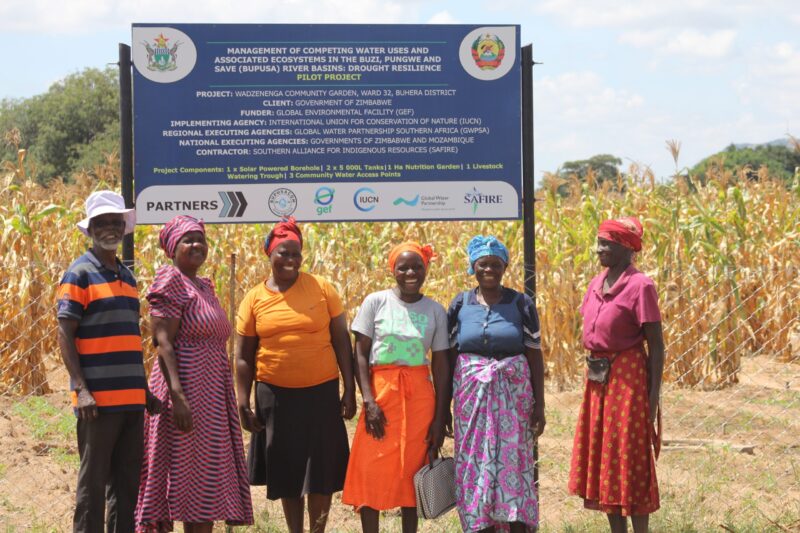
How the Advance Community Garden in Wadzenenga, Buhera is proving that sustainability and growth is not just a promise, but a practice.
The last donor vehicle left Wadzenenga in December 2024. The project was closed, the funding spent. By every conventional measure, the story should have ended there, but did not.
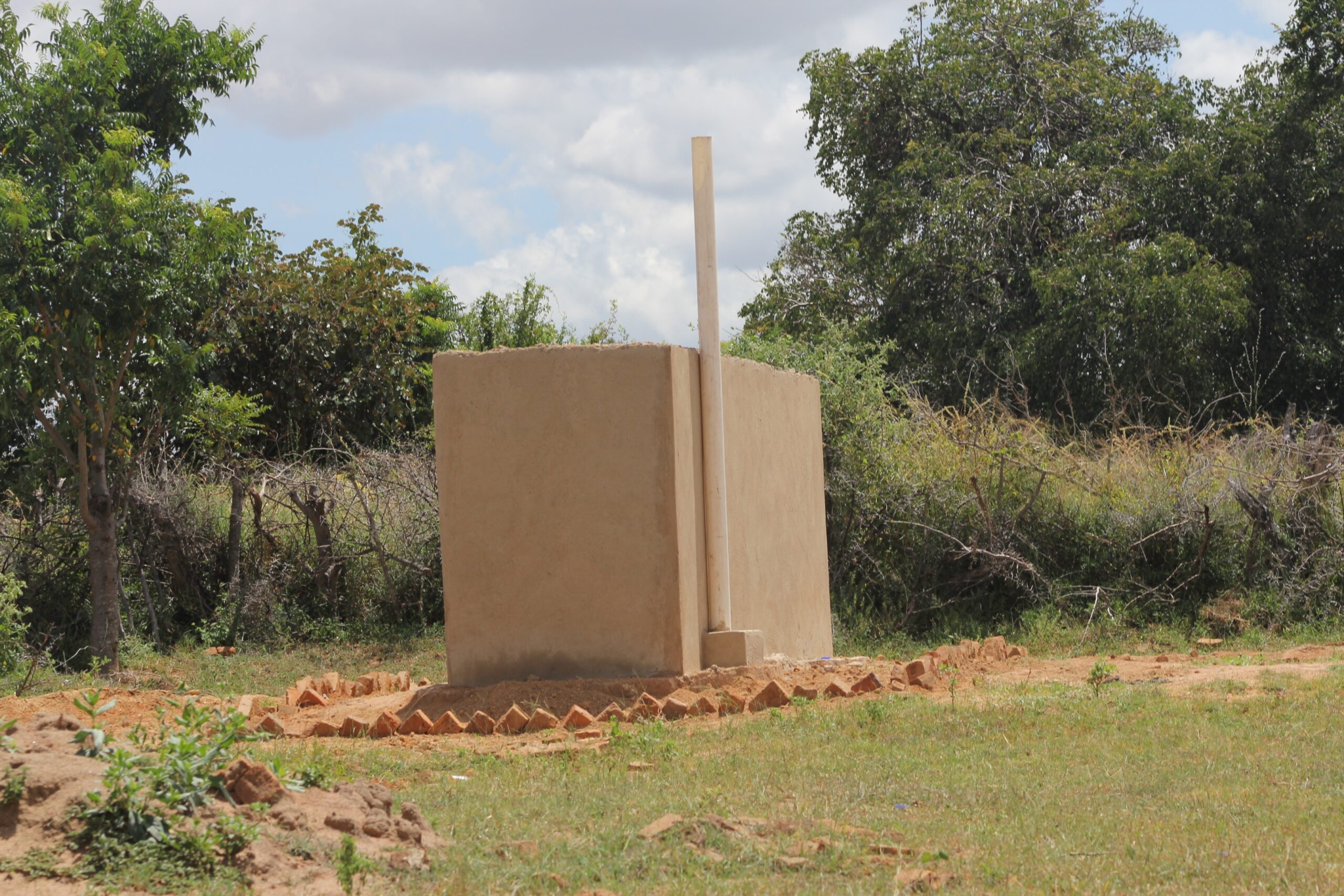
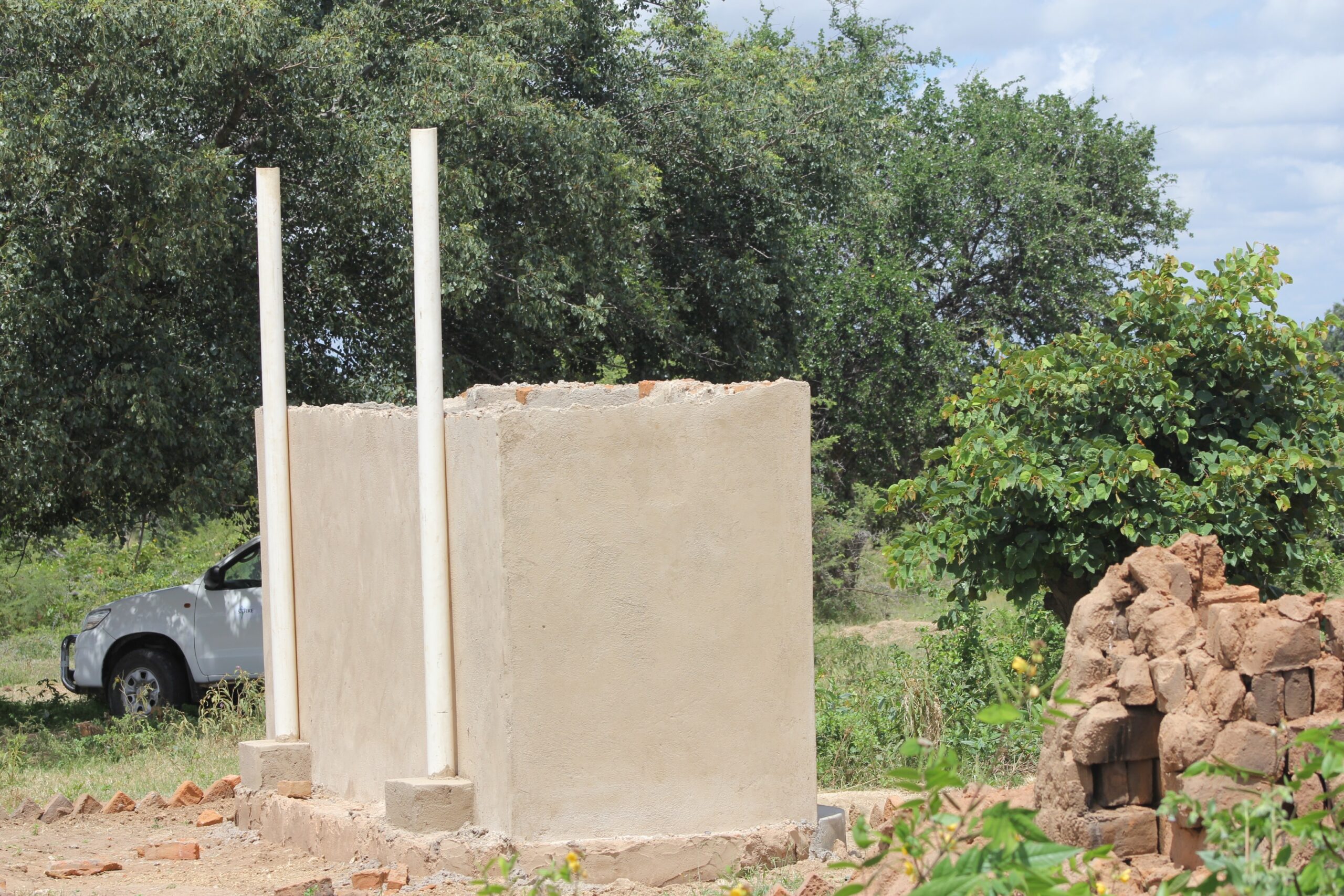
The Advance Community Garden in Ward 32, Buhera District, continues to thrive. Tomatoes, butternuts, green mealies, beans, and leafy vegetables fill the plots. Fruit trees like mango and lemon, planted by members with their own resources, stand in a new orchard. Four toilets, almost complete, built without a single donor dollar, service the site. Each of the fifty plot-holding households is now earning at least an additional thirty United States dollars per month from produce sales.
This is what SAFIRE’s work is designed to produce, lasting capability. By co creating a compelling vision that integrate with natural resource management and local knowledge and strengthening local governance structures, SAFIRE co creates with communities solutions that outlast any project cycle. Wadzenenga is that approach made visible.
The garden’s story begins not with a project, but with a decision. In the 1990s, about 24 households in Wadzenenga were farming the banks of the Mutunha River. Recognising that their cultivation was silting Mutunha Dam and degrading the environment, they moved off the riverbanks voluntarily and established a communal garden on higher ground. That act of environmental conscience, rooted in indigenous knowledge of the land, laid the foundation everything else was built upon.
In 2024, GEF-funded , “Management of Competing Water Uses and Associated Ecosystems in Pungwe, Buzi and Save Basins” project, implemented by IUCN, executed by GWP-SA, with SAFIRE as the local implementing partner, provided what the community lacked: reliable water source for multiple use and a protected area through installation of a solar-powered irrigation system, a 10,000-litre water tank, rehabilitated boreholes, and training in climate-smart agriculture. SAFIRE’s working together with government extension officers and local leadership facilitated the integration of farming, and reforestation, building the skills and entrepreneurship. The established water system currently supports 50 households within the community garden and benefits 184 households across three nearby villages: Wadzenenga, Hatinahama, and Zvavamwe.
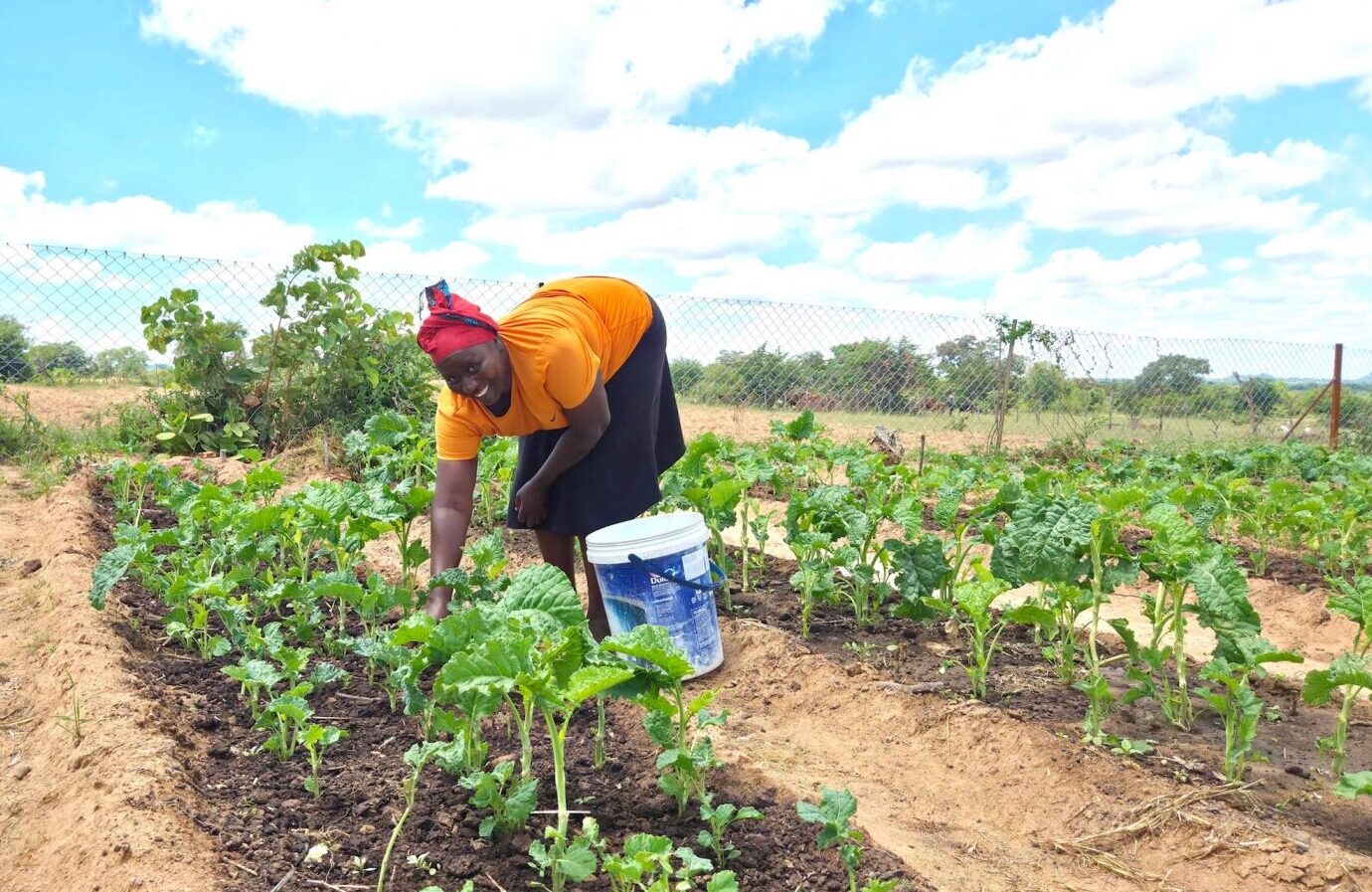
Beatrice Dondo, 42 – a mother of four and a member of the garden described the project in the language of daily life. “This garden is our main source of income and food,” she says. “I am no longer idle. I spend my days being productive, and that has changed everything.” Her next goal is to build a micro-irrigation system at her own homestead, taking what she learned in the garden into her own household.
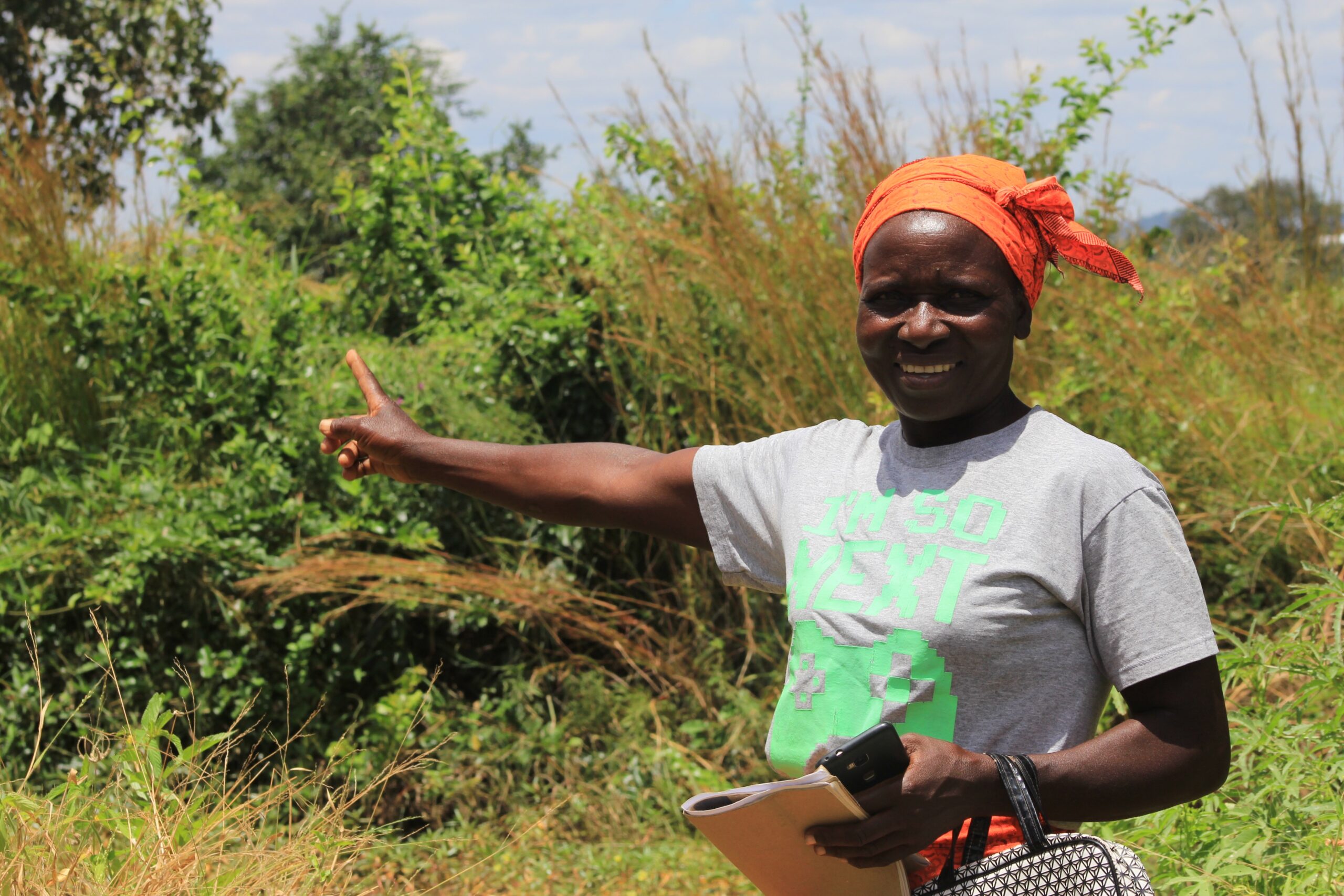
“Our dream is to expand so that more families can move away from the riverbanks. Every household that joins this garden is one less household eroding the soil.”
Alice Dube, Chairlady, Advance Community Garden, aged 48
Alice and the community are planning to drill a second borehole, double their water storage to 20,000 litres, and expand the orchard into a nature-based enterprise. Indigenous fruits, masawu and mapfura, will be value-added into juice, oil, and dried products. It is a plan that creates income, incentivises conservation of natural vegetation, and deepens the community’s roots in its own ecosystem.
Mrs Eugenia Chitima Dzimire, the AGRITEX extension officer for Ward 32 is shared what drove the group’s success. “Their hardworking nature and enthusiasm to succeed sets them apart,” she says. She points to their Village Savings and Lending Association, known locally as mukando, as a critical enabler that gives the group financial independence to buy inputs, carry out repairs, and maintain the irrigation infrastructure without waiting for outside help. The group also practices crop rotation, double digging, mulching, and organic manure application, while deliberately planting a variety of crops simultaneously. This strategy that spreads income across the season, reduces the risk of total loss, and ensures households have both food and something to sell at any given time. They have recently extended their one-hectare garden by an additional 0.4 hectares, where they plan to grow sugar beans.
The four almost complete self-built toilets may be the most honest measure of what has happened here. No one funded them. No one asked for them. The community identified a need, organised itself, and built them. That capacity to govern, plan, and act without waiting is what SAFIRE’s approach is designed to cultivate: communities equipped to thrive while protecting their environment, driving nature-based economies that build lasting resilience, even in the face of climate change.
What started as a small group seeking to farm responsibly has grown into a thriving initiative that combines livelihood improvement, environmental stewardship, and community cooperation.