
Our Work
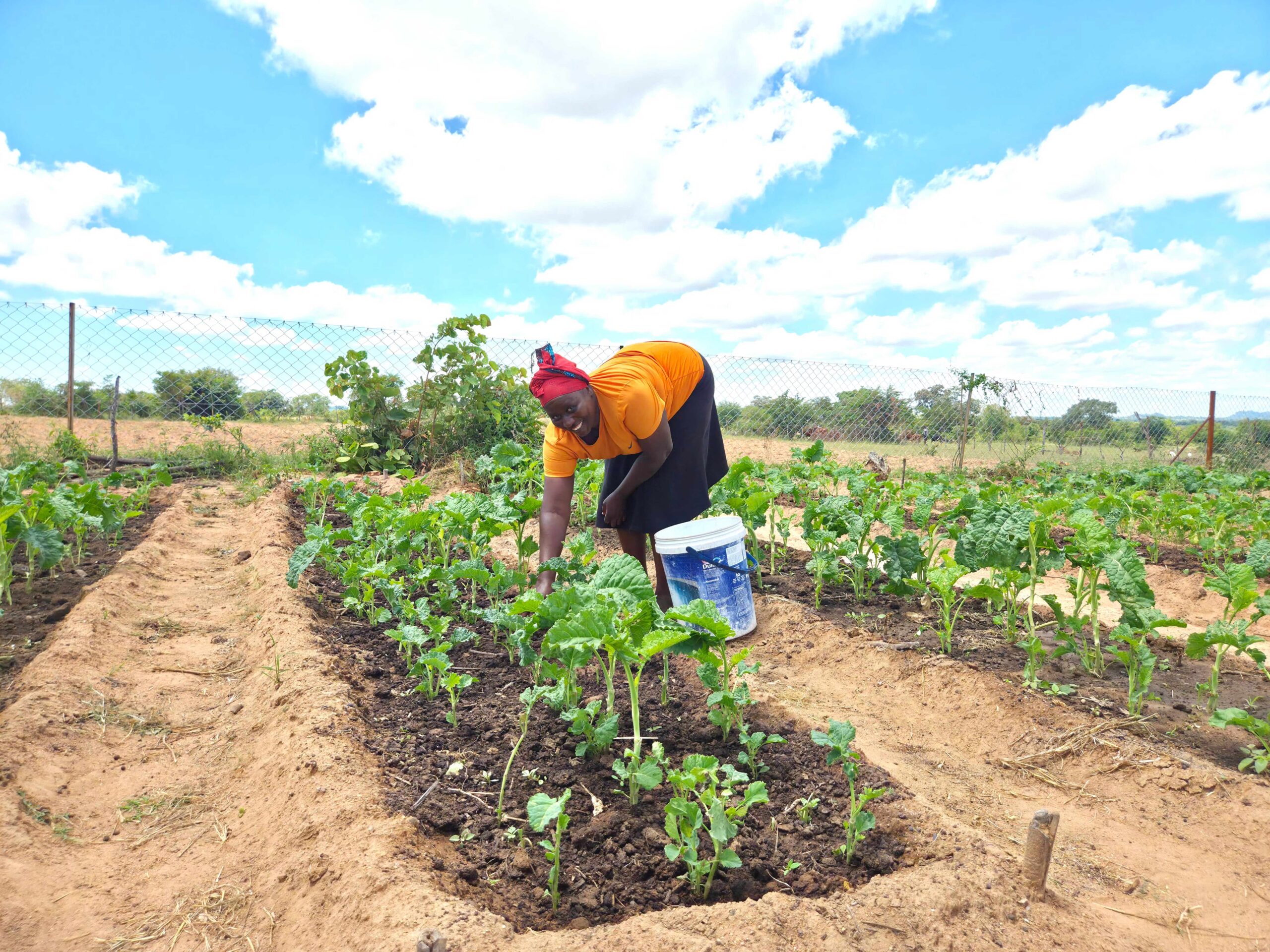
Livelihoods
Zimbabwe Forest Restoration Project
Project Name: Zimbabwe Forest Restoration Project
Project Funder(s): Terrafund
Project Duration: 2022 –2026
Implementing Partners: Southern Alliance for Indigenous Resources (SAFIRE)
Project Districts and Wards: Mutasa District Ward 5, 11, 12 and 19
Target groups: Smallholder farmers
Overall Target number: 567 000 trees both exotic and indigenous
Overall project goal: The project’s main aim is to restore or recreate forest ecosystems on a large scale, such that their ecosystem services are strengthened over the long term (CO2 storage, water filtration and soil retention).
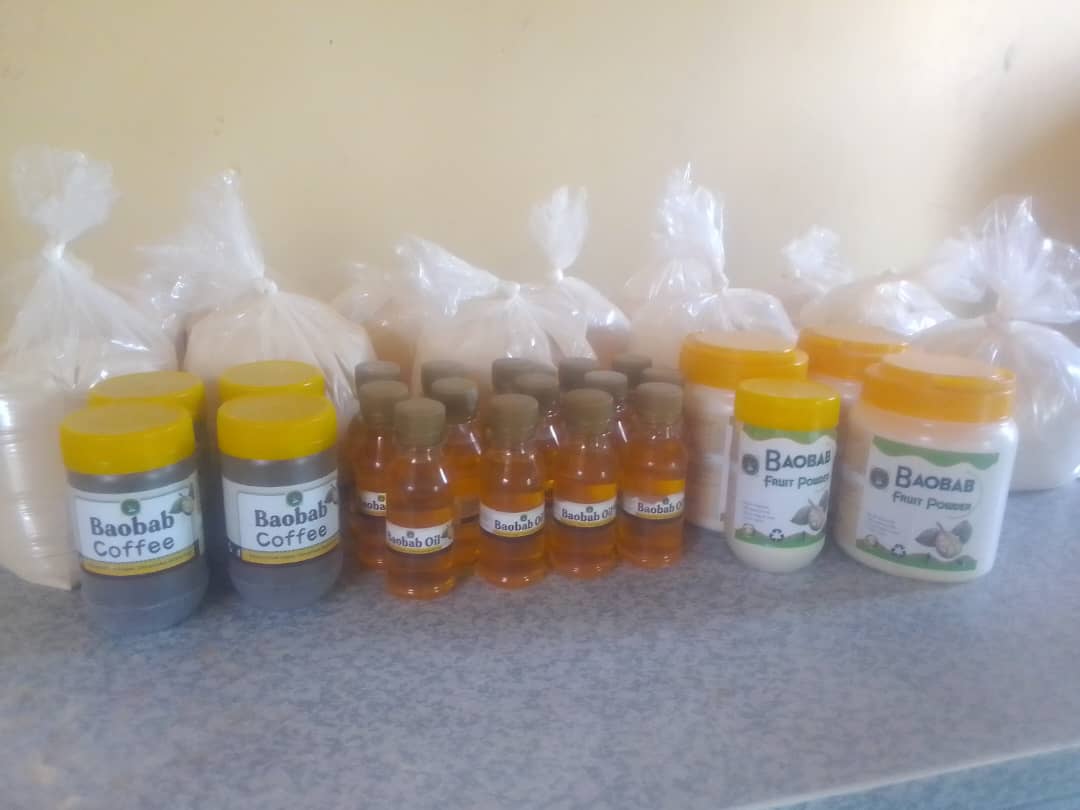
Project outcomes and outputs:
Increase in indicators species (Biodiversity improvement): The project management objectives and natural resource management (NRM) action plans and strategies. Implementation of the NRM strategies will enable the regeneration of underground forests through FMNR and assisted regeneration. Enrichment planting in degraded forest areas will boost the forest composition and increase the population of desired trees such Marula and Masau with selected landscapes. Nurseries will be established to increase community access to tree seedlings. In addition vegetative tree propagation methods will also be used for suitable species (Marula, Apple and Macademia)
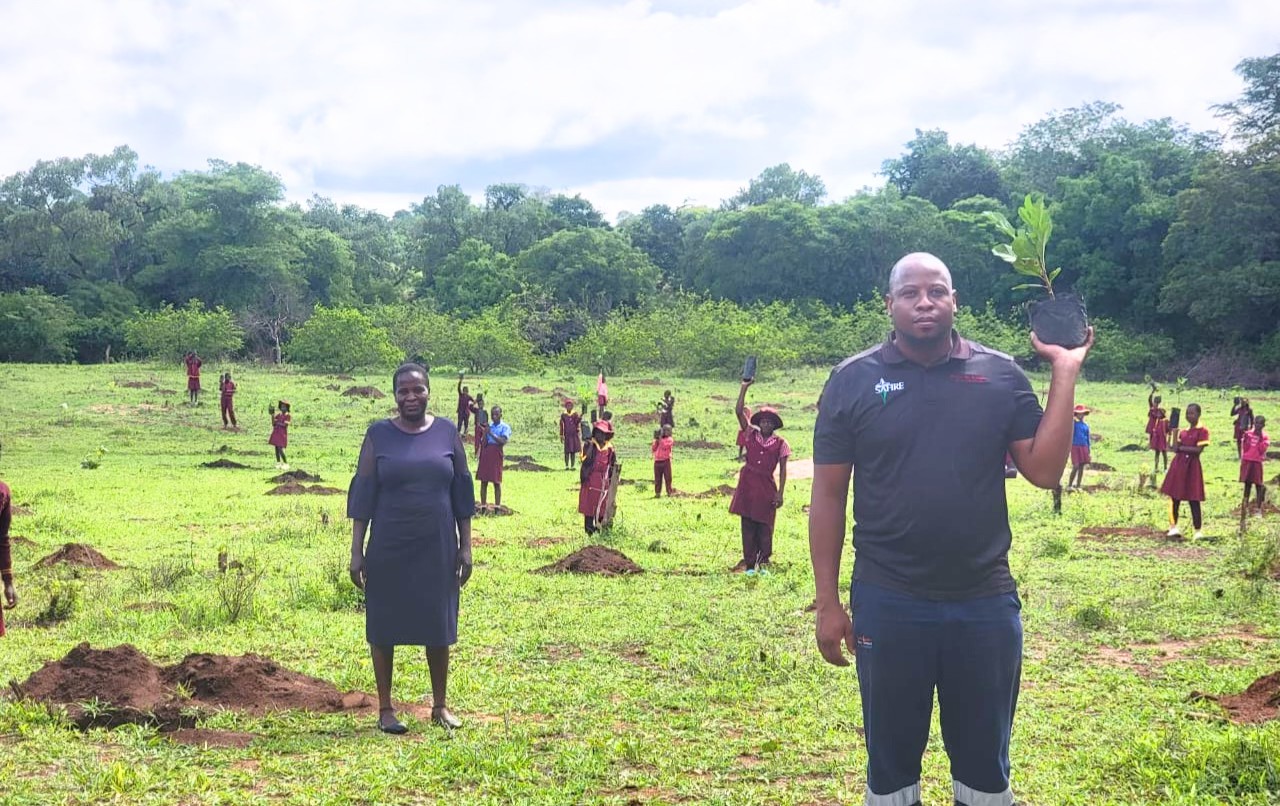
Key Activities:
Develop and implement CRMPs to guide sustainable forest and woodland management, Establish two main nurseries and six satellite nurseries to support reforestation and restoration efforts across multiple communities, Plant 126,000 indigenous trees across project wards to promote biodiversity and ecosystem restoration, Provide fire management and response training in fire-prone wards, including the distribution of firefighting equipment, Restore 315 hectares of degraded land through ANR, including the establishment of one-hectare demonstration plots in each community capacity-building support to community NRMCs to strengthen local governance and stewardship, Facilitate joint monitoring and adaptive management processes with stakeholders to ensure accountability and long-term sustainability.
Restoration
Community-based Adaptation
Project Name: Community-based Adaptation: Scaling-up Community Action for Livelihoods and Ecosystems in Southern Africa and Beyond (CBA-SCALE Southern Africa+)
Project Funder(s): BMUV-IKI
Project Duration: 2024-2028
Implementing Partners: CARE, IUCN, SAFIRE, CESVI, ICRISAT, International Institute for Sustainable Development (IISD), Food, Agriculture and Natural Resources Policy Analysis Network (FANRPAN)
Project Districts and Wards: Bikita and Chiredzi. 47 wards
Target groups: Smallholder farmers, women, youths, National institutions including AGRITEX, the Meteorological Services Department, Sub-Catchment Management Councils and Rural District Councils, local level institutions or Community-Based Organizations (CBOs) that support livelihoods including Farmer Groups, VIDCOs, Non-timber Forest Products (NTFP)-based groups, Savings and Lending Groups and other self-help groups.
Overall Target number: The project will directly benefit 18800 and 190000 indirectly in both Bikita and Chiredzi
Overall project goal: People of all genders and social groups in Southern Africa are resilient to the impacts of climate change.
Project outcomes and outputs:
Inclusive, gender-responsive and nature-based community-based adaptation to climate change in the targeted communities in Mozambique, Zambia and Zimbabwe acts as a stimulus for scaling up locally, nationally and internationally.
Output I: Inclusive, gender-responsive and nature-based CBA actions implemented in targeted communities
Output II: Enabling environment improved for implementation of CBA actions
Output III: Experiences and lessons from the implementation of CBA actions are documented, shared between countries and serve to enrich knowledge among national, regional and international audiences
Local Institutions
P.O.W.E.R.
Project Name: P.O.W.E.R. (PEOPLE AND ORGANISATIONS WORKING FOR EQUALITY AND RIGHTS)
Project Funder(s): DIAKONIA
Project Duration: October 2025 – December 2028
Implementing Partners: SAFIRE
Project Districts and Wards: Bulilima (3 wards)
Target groups: Women and Youth (both young women and Men, Human right defenders, Small-Scale Farmers and Agro-Pastoralists,
Overall Target number:
Overall project goal: Civil society actors have space and resilience to contribute to gender-just, and democratic societies where all people can exercise their human rights
Project outcomes and outputs:
The project works towards two main results. The first is that access to resources for livelihood, safety, and well-being is improved for marginalised rights-holders particularly women, youth, and LGBTQI+ persons including in environmental crisis and conflict contexts.
The second result focuses on increasing the knowledge and capacity of rights-holders to prevent, transform, and respond to environmental risks, violent conflict, and economic systems that hinder gender justice.
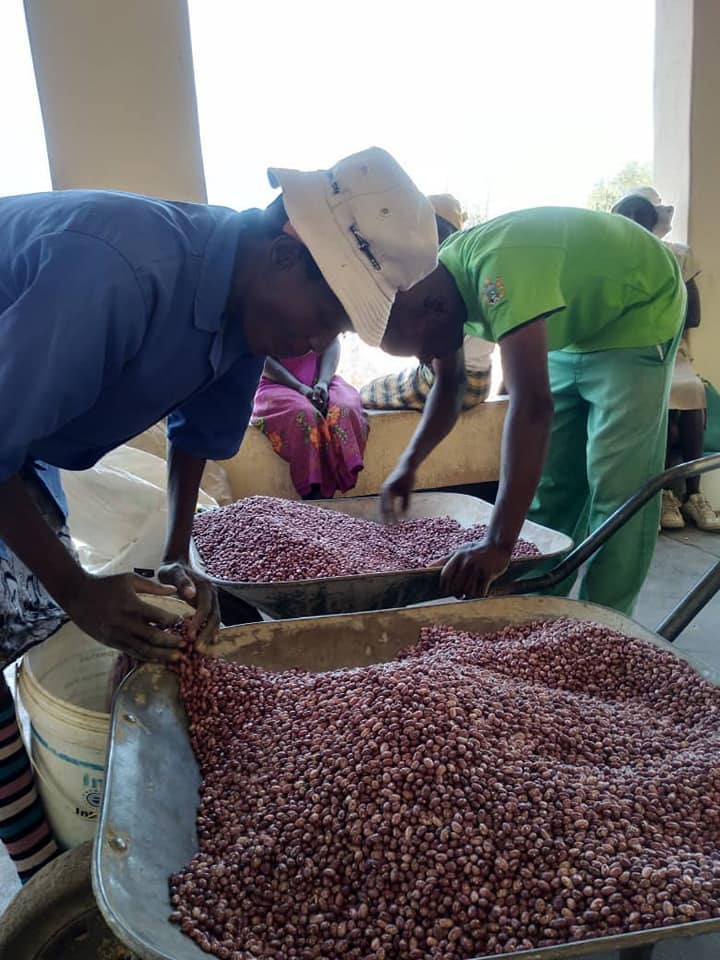
Key Activities
The project will begin by conducting participatory situational analyses across three wards, engaging 50 participants per ward, to identify gaps and bottlenecks in resource access. Building on these findings, advocacy dialogues will be held with traditional leaders and RDCs to push for inclusive committee structures, followed by community consultations to co-develop and validate bylaws that promote fair resource access. Capacity-building workshops will be delivered to traditional leaders and committee members to strengthen their understanding and practice of gender-sensitive governance. Community representatives will also be supported to attend and contribute to district and provincial policy engagement platforms, while multi-stakeholder forums will be organised to foster collaboration between government, civil society, and the private sector on natural resource governance.
On the climate resilience side, the project will deliver structured training on drought, flood, and heat stress management, and facilitate Participatory Climate Vulnerability and Capacity Assessment workshops to identify community-specific risks and adaptation strategies. Conflict resolution training incorporating gender-sensitive mediation approaches will be conducted to address disputes over natural resources, while local leaders will be trained to integrate gender justice principles into environmental and climate adaptation planning. Community planning meetings will be facilitated in each ward to develop and operationalise early warning and response systems. Finally, local champions — drawn primarily from marginalised groups — will be identified, trained, and mentored to serve as peer educators, driving sustained community awareness and action on climate resilience and environmental stewardship.